




Summer Foot Safety: 5 Ways to Protect Your Feet

June 18, 2026

Summer foot safety involves protecting your feet from environmental hazards like hot sand, fungal infections in public pools, and inadequate support from seasonal footwear. By wearing supportive shoes, applying sunscreen, and maintaining hydration, you can prevent common warm-weather issues like burns, infections, blisters, and painful plantar fasciitis.

While the warmer months in Kansas City invite us to spend more time outdoors, the shift in activity levels and footwear can place extraordinary stress on our lower extremities. From the Independence square to the trails in Lee’s Summit, staying active requires a solid foundation. Neglecting summer foot safety can lead to long-term complications that persist well into the autumn months. Understanding the unique risks of the season is the first step toward a pain-free summer.

Supportive sandals for summer foot safety

How can I prevent common summer foot injuries?

Preventing summer foot injuries requires a proactive approach to both protection and preparation. The most common issues we see at Heartland Podiatry during this time of year are often preventable with minor adjustments to your daily routine.

  • Apply Sunscreen Daily : Many people forget that the tops of the feet are highly susceptible to sunburn. Use a broad-spectrum SPF 30 or higher to prevent painful burns and reduce the risk of skin cancer.
  • Maintain Proper Hydration : Dehydration can lead to swelling in the feet and ankles, especially in the Kansas City heat. Drinking plenty of water helps regulate circulation and prevents edema.
  • Perform Daily Foot Inspections : Check your feet every evening for Blisters , cuts, or redness. This is especially critical for patients managing Diabetic Foot Care .
  • Choose the Right Activity Shoes : If you are walking long distances at a summer festival or park, avoid sandals and stick to high-quality athletic shoes.
  • Stay Out of the Sun During Peak Hours : Whenever possible, avoid being on hot pavement during the hottest parts of the day to prevent thermal burns.

Is walking barefoot safe on the beach and pool?

While the feeling of sand between your toes is a hallmark of summer, walking barefoot in public areas is often unsafe. Public pools, locker rooms, and community showers are prime environments for the spread of infections. These damp, warm surfaces host the fungi and viruses responsible for Athlete's Foot and Warts .

Beyond infections, the physical temperature of the ground is a major concern. On a 90-degree day, asphalt and sand can reach temperatures well over 120 degrees, which is hot enough to cause second-degree burns in seconds. This is particularly dangerous for those with Neuropathy , as they may not feel the heat until the damage is already done. Always wear water shoes or flip-flops when navigating these public spaces to create a protective barrier between your skin and the ground.

Choosing Supportive Footwear for Warm Weather

The biggest challenge to summer foot safety is the temptation to wear unsupportive shoes. Traditional flip-flops offer almost no arch support, heel cushioning, or shock absorption. This lack of structure can lead to a variety of mechanical issues, including Arch Pain and Plantar Fasciitis .

When shopping for summer footwear, look for sandals that feature a contoured footbed and a strap that secures the heel. A shoe that remains securely attached to your foot prevents your toes from "clawing" to keep the sandal on, which can lead to Hammertoes over time. For patients who require additional correction, we often recommend Custom Orthotics that can be integrated into high-quality orthopedic sandals, ensuring you don't have to sacrifice comfort for style.

What are the risks of wearing flip-flops all day?

Wearing flip-flops for extended periods can significantly alter your gait. Because flip-flops don't have a back strap, the wearer must take shorter steps and grip the footbed with their toes. This unnatural movement pattern increases the strain on the heel and the plantar fascia ligament. Over time, this results in chronic Heel Pain or even Heel Spurs .

Furthermore, flip-flops provide zero protection against stubbed toes, Fractures , or puncture wounds. If you are participating in any activity more strenuous than sitting by the pool, we recommend switching to a more stable shoe. Protecting the structural integrity of your foot is essential for maintaining long-term mobility and preventing Sports Injuries that could sideline your summer plans.

Person applying sunscreen to feet

Summer Diabetic Foot Care Precautions

For patients with diabetes, summer foot safety is not just about comfort—it is about limb preservation. High temperatures and increased humidity can lead to fungal growth and skin breakdown. Because diabetes can reduce circulation and sensation, a small blister from a poorly fitting sandal can quickly escalate into a serious infection or a non-healing Wound .

  • Never walk barefoot, even indoors or on carpeted hotel floors.
  • Change your socks frequently if your feet become sweaty or damp.
  • Use a moisturizer on the heels to prevent Cracks & Fissures , but avoid the spaces between the toes.
  • Have any new Calluses or Corns treated professionally rather than using over-the-counter medicated pads.
  • Schedule a summer checkup with our Physicians to ensure your foot health is on track.

When should I visit a podiatrist for summer foot pain?

Minor soreness after a long day of walking is normal, but persistent pain is a signal that something is wrong. You should schedule an appointment at our Independence Office or Lee’s Summit Office if you experience any of the following:

  • Pain that is sharp, stabbing, or worsens with your first steps in the morning.
  • Any wound or blister that does not show signs of healing after 48 hours.
  • New or worsening numbness, tingling, or burning sensations.
  • Swelling in one or both feet that does not resolve with rest and elevation.
  • Suspected Fungal Toenails characterized by thickening or discoloration.

Summary of Summer Foot Safety

Maintaining summer foot safety is essential for enjoying the season without interruption. By choosing the right footwear, protecting your skin from the sun and bacteria, and paying close attention to any changes in your foot health, you can stay active and comfortable. Remember that your feet are the foundation of your body; treating them with care during the warm weather months will pay dividends in your overall health and mobility.

Key Takeaways:

  • Always wear shoes in public areas like pools and locker rooms to avoid Athlete's Foot .
  • Choose sandals with arch support and heel straps to prevent Heel Pain .
  • Apply sunscreen to the tops of your feet to prevent burns.
  • Drink plenty of water to minimize swelling and improve circulation.
  • Consult Heartland Podiatry for any persistent pain or Sports Injuries sustained during summer activities.
By VIV Builder April 9, 2026
Stay active and pain-free this Foot Health Awareness Month. Learn about heel pain, orthotics, diabetic foot care, and sports injury treatment options.
By VIV Builder April 1, 2026
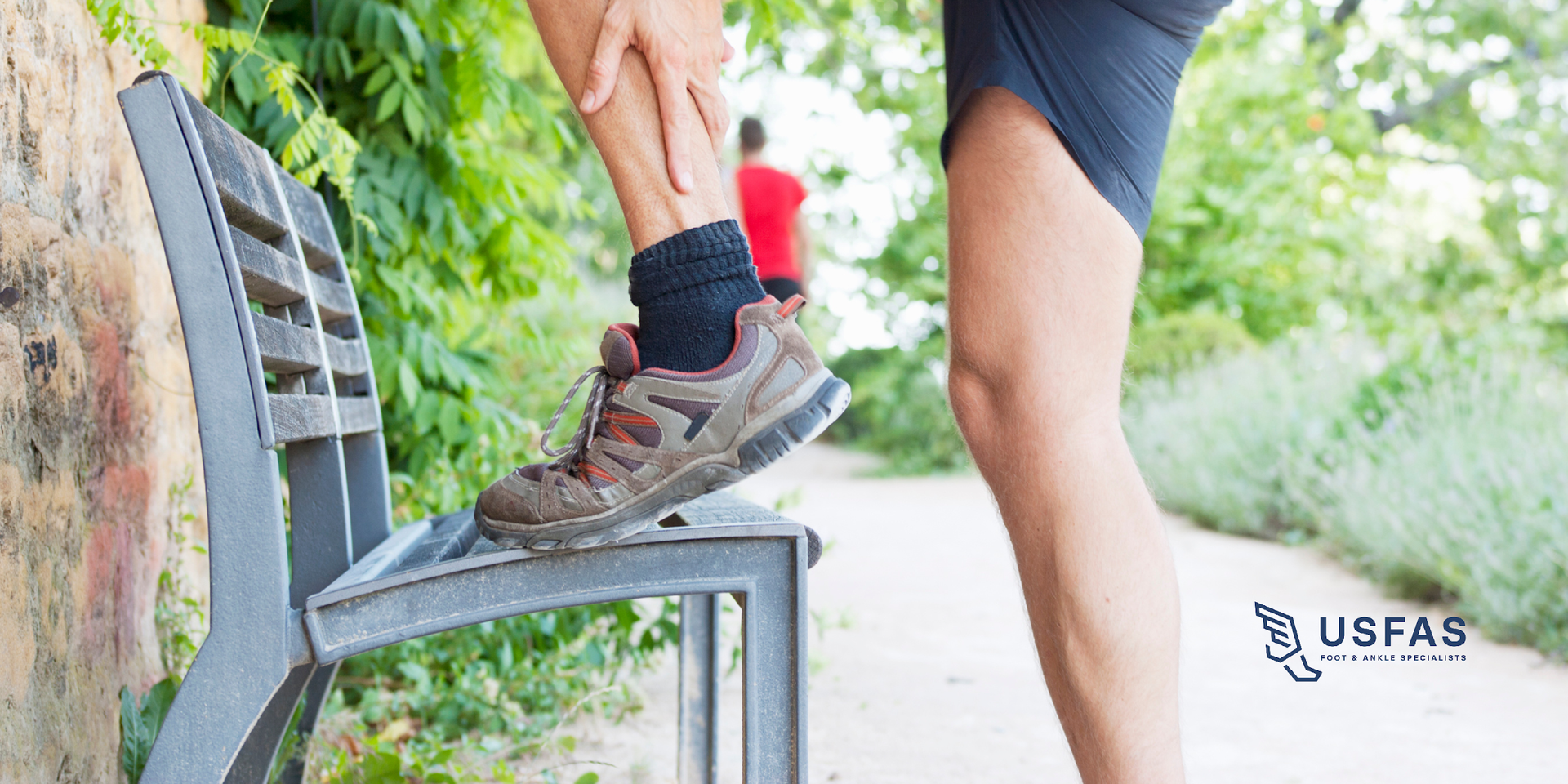
Achilles tendonitis can develop gradually, causing heel pain and stiffness that worsens over time. Learn the warning signs and how a podiatrist can help you get back on your feet.

By VIV Builder March 5, 2026
Ingrown toenails are a common foot condition that can start as a minor irritation and quickly become painful. Learn more about how we can help with ingrown toenails.
By VIV Builder February 19, 2026
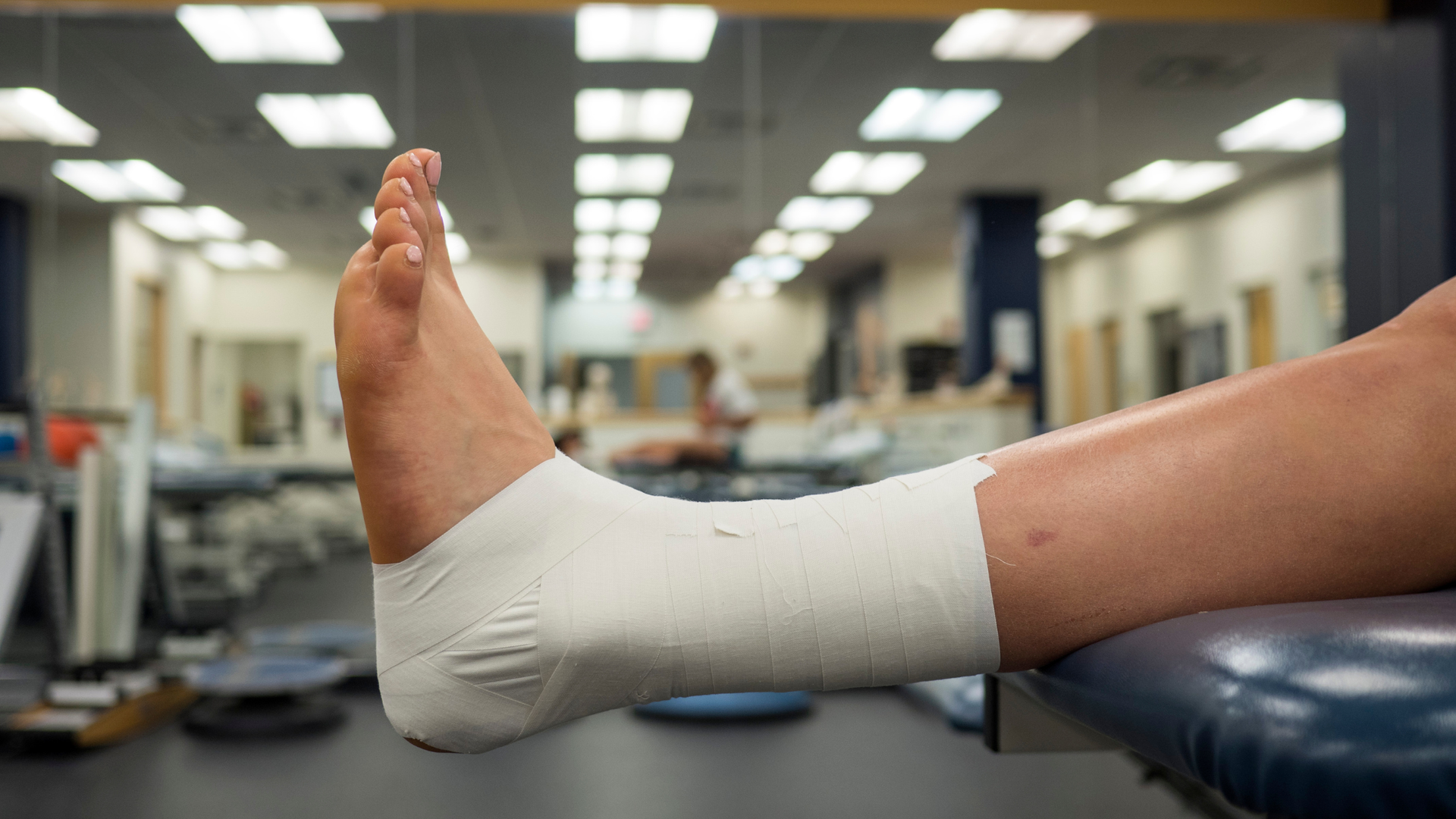
Ankle sprains are one of the most common foot and ankle injuries, yet they're often brushed off as no big deal. The truth is, even a mild sprain deserves proper care.
By VIV Builder February 5, 2026
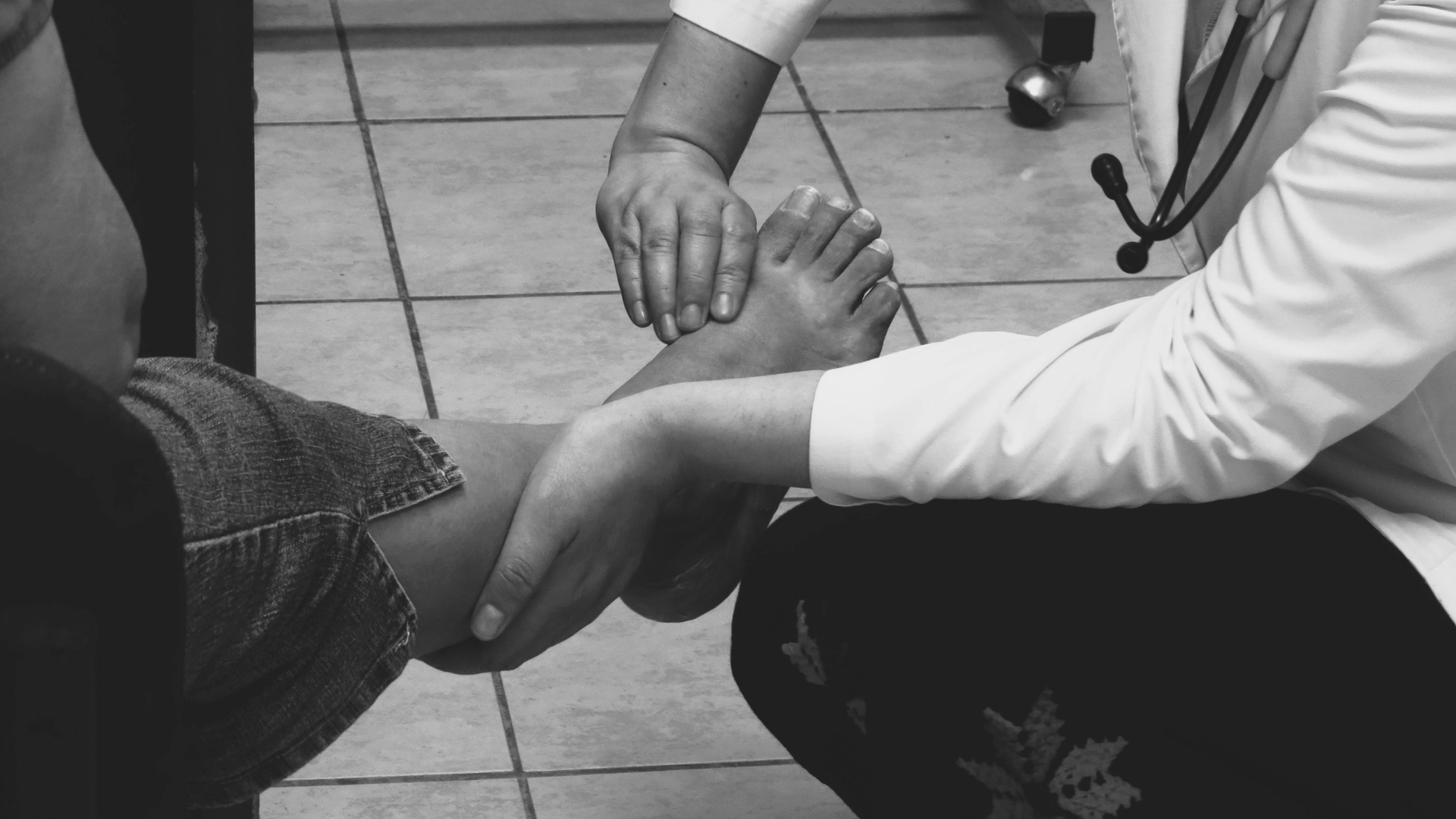
Show Your Feet Some Love This February

By VIV Builder January 23, 2026
Understanding Podiatry Many people experience foot or ankle pain at some point, but they are not always sure where to turn for care. A podiatrist is a medical doctor who specializes in diagnosing and treating conditions of the foot and ankle. Their goal is to help patients move comfortably, stay active, and avoid pain that interferes with daily life. Podiatrists receive specialized medical training focused entirely on the feet and ankles. Because these areas support the entire body, even minor issues can have a big impact if left untreated. What Conditions Do Podiatrists Treat? Podiatrists treat a wide range of foot and ankle conditions for patients of all ages. From common concerns like heel pain and ingrown toenails to more complex issues such as sports injuries and diabetic foot conditions, podiatrists are trained to handle both routine and advanced care. They also address structural problems, skin and nail conditions, and injuries that affect mobility. By identifying the root cause of foot or ankle pain, podiatrists help patients find long-term relief rather than temporary fixes. When Should You See a Podiatrist? Foot pain is not something you have to live with. If you notice ongoing discomfort, changes in how you walk, or issues with your toenails or skin, it may be time to see a podiatrist. Early care can help prevent small problems from becoming more serious and can reduce recovery time. Patients with diabetes should also see a podiatrist regularly to help prevent complications and maintain foot health. What to Expect During Your Visit During a podiatry appointment, your provider will take time to understand your symptoms and lifestyle. They will examine your feet and ankles and may recommend imaging or other tests if needed. Based on their findings, they will create a personalized treatment plan tailored to your needs. Many podiatry treatments can be done in the office, allowing patients to return to normal activities quickly. Why Foot Health Matters Your feet play a major role in your overall health. Ongoing foot or ankle pain can lead to posture changes and strain on the knees, hips, and lower back. Proper foot care helps keep your entire body moving the way it should. Seeing a podiatrist is an important step in maintaining mobility and preventing future problems. Take the Next Step Toward Better Foot Health If foot or ankle pain is affecting your daily life, a podiatrist can help. With the right care and treatment, many conditions can be managed or resolved. Scheduling an appointment with a podiatrist is a simple step that can make a lasting difference in your comfort and mobility.

By VIV Builder January 9, 2026
A New Year Shouldn’t Start With Pain The beginning of a new year often comes with fresh goals—being more active, feeling healthier, and getting back to routines you enjoy. But heel pain can quickly get in the way. When every step hurts, even small tasks can feel frustrating. Heel pain is one of the most common foot issues treated by podiatrists. Many people try to ignore it or hope it will go away on its own, but without proper care, heel pain often lingers or gets worse over time. Why Heel Pain Happens Heel pain can develop for several reasons, and it often builds gradually. One of the most common causes is plantar fasciitis, which occurs when the tissue supporting the arch of the foot becomes inflamed. Other causes may include strain on the Achilles tendon, wearing shoes without proper support, or spending long hours on your feet. Pain is often most noticeable in the morning or after long periods of rest. While it may ease as you move around, it tends to return and can worsen without treatment. Common Conditions Linked to Heel Pain While heel pain feels similar for many people, the underlying cause can vary. Some of the most common conditions include: Plantar fasciitis Heel spurs Achilles tendon irritation Overuse or repetitive strain injuries Identifying the exact cause is key to getting the right treatment and long-term relief. Why Early Treatment Matters Ignoring heel pain can lead to changes in the way you walk. Over time, this can place added stress on your ankles, knees, hips, and lower back. What starts as foot pain can turn into discomfort throughout your body. Seeing a podiatrist early can help prevent these issues and reduce recovery time. Most heel pain can be treated without surgery when addressed promptly. How a Podiatrist Can Help A podiatrist specializes in foot and ankle care and can create a treatment plan tailored to your needs. Treatment may include stretching exercises, custom orthotics, footwear guidance, or other therapies designed to reduce pain and inflammation. With the right approach, many patients begin to feel relief and regain mobility. Step Into the New Year With Confidence Heel pain does not have to define your year. With proper care and treatment, you can move more comfortably and get back to doing the things you enjoy. If heel pain is holding you back, schedule a visit with a podiatrist and take the first step toward a healthier, pain-free new year.

December 18, 2025
A new year is the perfect time to focus on your health—starting from the ground up. As we head into 2026, taking care of your feet can help you stay active, comfortable, and ready for everything the year brings.  Why Foot Health Matters in the New Year Healthy feet support your overall mobility and daily comfort. Common foot problems can make walking, standing, and even simple activities difficult. Early care can prevent small issues from becoming bigger ones. You may benefit from a podiatry visit if you have: Heel or arch pain Flat feet or high arches Foot or ankle injuries Toenail problems Corns, calluses, or skin issues Pain that keeps coming back How We Help You Start the Year Strong Our podiatry team provides: Comprehensive Foot Exams to identify pain or concerns Treatment Plans for chronic or sudden foot issues Custom Orthotics for support and alignment Footwear Guidance to reduce discomfort and improve stability Preventive Care to keep your feet healthy long-term Start 2026 With Healthy, Pain-Free Feet Make this the year you put your foot health first. Schedule an appointment today to address any concerns and step into 2026 with confidence, comfort, and support.
December 4, 2025
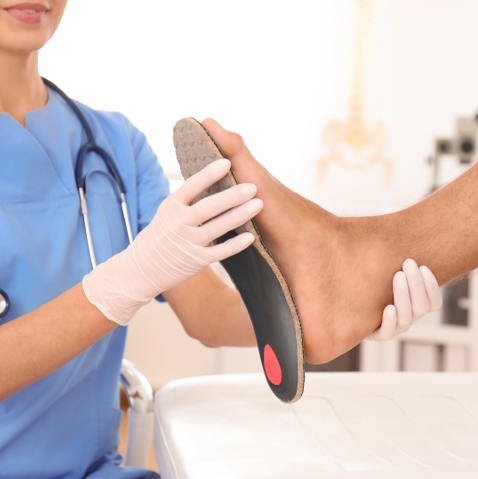
December is the season of giving, and there’s no better gift than comfort. If you’re looking for something meaningful, helpful, and long-lasting, custom orthotics are a great choice. They support the feet, improve balance, and make everyday activities easier and more comfortable. Why Orthotics Make a Great Gift Many people struggle with foot pain, tired feet, or discomfort when walking or standing. Custom orthotics can help by: Reducing foot, heel, and arch pain Providing better alignment and support Improving comfort during work, exercise, and daily routines Helping prevent future foot problems They are a thoughtful gift for anyone—especially those who stay on their feet all day, enjoy being active, or dealing with ongoing foot issues. How Our Team Can Help Our podiatry team offers: Custom Orthotic Fittings tailored to your foot shape and needs Foot Evaluations to identify pain points and pressure areas Supportive Shoe Recommendations for everyday comfort Ongoing Care for long-term foot health Give Comfort This Christmas If you’re searching for a gift that truly helps someone feel better, custom orthotics are a smart and meaningful choice. Contact our office to schedule an appointment or learn more about how orthotics can bring comfort all year long.
November 7, 2025
November marks National Diabetes Awareness Month , a time dedicated to raising awareness, supporting those affected, and sharing ways to live healthier with diabetes. With diabetes impacting millions of Americans, proactive foot care remains one of the most important—and often overlooked—parts of diabetes management. Why Foot Health Matters Diabetes can affect the feet in several ways, and early prevention is key. High blood sugar levels may lead to: Nerve damage (neuropathy) that causes numbness, tingling, or loss of sensation Reduced blood flow , slowing the healing process Higher risk of infections, wounds, and ulcers , which can become serious if left untreated Healthy, routine foot care can help prevent complications and support mobility, comfort, and long-term wellness. How Our Podiatry Team Supports Diabetic Foot Health We provide comprehensive diabetic foot care to protect, prevent, and treat foot-related concerns, including: Routine Diabetic Foot Exams Early detection and intervention to address concerns before they become more serious. Custom Orthotics Personalized support to improve balance, relieve pressure points, and enhance walking comfort. Advanced Wound Care Specialized treatment plans for wounds, ulcers, or injuries to promote faster healing and reduce risks. Footwear Guidance Recommendations for proper shoes and inserts designed to prevent irritation, friction, and injury. We’re Here to Help You Stay Healthy Caring for your feet is an essential part of staying active, independent, and healthy with diabetes. Whether you have questions about preventive care, footwear, or treatment options, our podiatrists are here to guide and support you every step of the way. This month is a great time to schedule a diabetic foot check or talk with us about ways to keep your feet protected year-round. Together, we can work toward better foot health and a healthier life with diabetes.
Show More
